Why Exchange Hours Matter for Your Trading
You can't trade when the markets are closed. It's that simple. Different exchanges around the world open and close at different times, and if you're sitting in the UK trying to trade on the Tokyo Stock Exchange, you'll need to wake up early — or accept that you're trading during their afternoon session.
The global financial system doesn't stop. While London sleeps, New York is busy. While New York winds down, Tokyo is getting started. Understanding these patterns isn't just about knowing when you can trade — it's about knowing when liquidity is highest, when spreads are tightest, and when price moves are most dramatic.
Here's the thing: most beginner traders don't think about this. They see a stock they like and try to trade it at 10 PM UK time. Then they're confused about why the market isn't moving or why their order doesn't fill. The answer? That market is closed.
The London Stock Exchange: Your Home Market
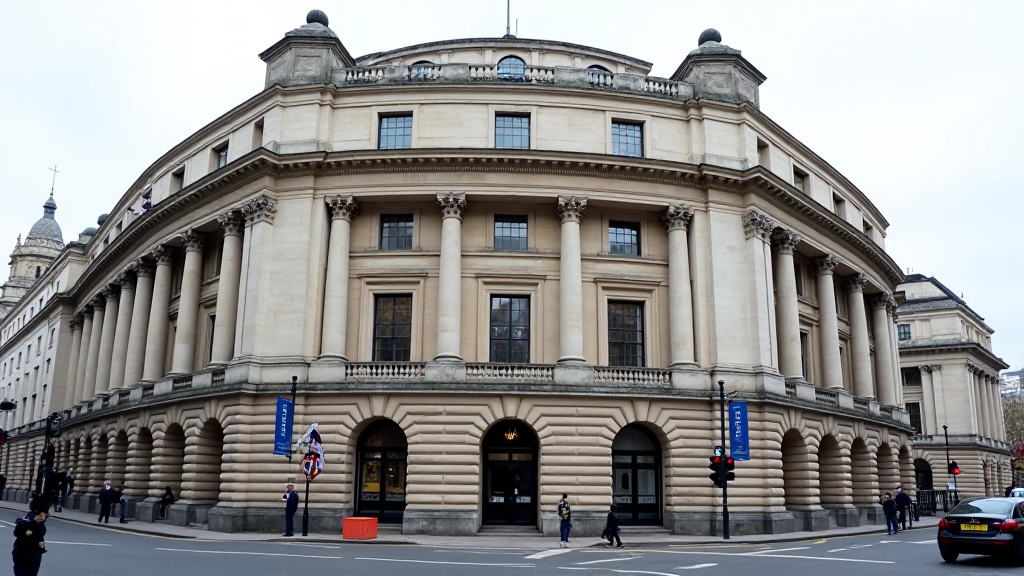
The London Stock Exchange (LSE) opens at 8:00 AM and closes at 4:30 PM, Monday through Friday. That's UK time, of course. If you're in London, this is your main trading window for UK stocks.
But here's what traders don't always realise: the LSE has an extra hour before the official open. From 7:00 AM to 8:00 AM, there's pre-market trading. The spreads are wider, there's less volume, but if you've got news overnight, you can react before everyone else wakes up. Same thing at the end of the day — there's an after-hours session from 4:30 PM to 5:00 PM, but most retail traders ignore it because liquidity drops significantly.
Trading FTSE 100 stocks? You'll want to be active during these core hours. Miss them, and you're waiting until tomorrow. It's not complicated, but it does matter.
Educational Disclaimer
This article provides educational information about how global stock exchanges operate. It's not investment advice, trading recommendations, or a guide to making trading decisions. Market hours, trading rules, and exchange operations can change. Always verify current trading hours with your broker before placing any trades. Different brokers may offer different access to these markets, and not all instruments trade on all exchanges. Consult a financial advisor if you're unsure about which markets or times suit your trading approach.
New York: The World's Largest Market
When you talk about "the stock market," most people think of New York. The New York Stock Exchange (NYSE) and NASDAQ are where the biggest, most-watched companies trade. Both open at 2:30 PM UK time (9:30 AM in New York) and close at 9:00 PM UK time (4:00 PM in New York).
This is crucial for UK traders. The US market is the most liquid market in the world. Apple, Microsoft, Tesla, Amazon — they're all trading there. If you're watching these stocks from the UK, you're trading during UK afternoons and evenings. That's manageable for most people, and it's why many UK traders focus on US stocks.
The US also has pre-market (4:00 AM UK time) and after-hours (9:00 PM to 1:00 AM UK time) trading, but again, spreads are wider and volume is lower. Most action happens during the official 2:30 PM to 9:00 PM UK window.


Asian Markets: Early Morning or Late Night
The Tokyo Stock Exchange opens at 1:00 AM UK time and closes at 9:00 AM UK time. That's early. The Hong Kong Stock Exchange runs from 1:30 AM to 8:00 AM UK time. Shanghai, Singapore — they're all in that same window. If you're serious about trading Asian stocks, you're either waking up very early or accepting that you're trading in the middle of the night.
That's why most UK retail traders don't actively trade Asian stocks. It's not that the markets aren't good — they're enormous. Japan's market is the second-largest in the world. But the timing is awkward. You could trade during their afternoon (your very early morning), but volume tends to be lower then.
Some traders set up automated systems or trade on a UK broker that offers delayed pricing. Others simply accept that they'll focus on London and New York, where the timing works better for their schedule.
Building a Trading Schedule Around Market Hours
The key to trading globally isn't fighting the clock — it's working with it. If you're in the UK, you've got a natural advantage with London. You're also reasonably positioned for New York trading. Asian markets are tougher unless you're a night owl.
Here's what most successful UK traders do: they pick their markets based on their lifestyle. If you work a 9-to-5 job, trading UK and US stocks makes sense. The US market opens when you're finishing work, and you can trade into the evening. If you're retired or work flexible hours, you might add Asian markets to your mix.
Don't try to trade all markets at all times. You'll burn out, make mistakes, and waste money on spreads during quiet hours. Pick markets that fit your schedule. Master those. Then, if you want to expand, you can.

The Bottom Line: Know When Your Markets Trade
Global stock exchanges operate on fixed schedules, and understanding those schedules is non-negotiable for any trader. London opens at 8:00 AM, New York opens at 2:30 PM UK time, and Tokyo opens at 1:00 AM. Trying to trade outside these windows is like trying to buy groceries when the shop is closed — it's just not going to happen.
The good news? You don't need to trade everywhere. Pick your markets, learn their hours, and build a trading routine around them. That's how professionals approach it. Start with London if you're in the UK, add New York if you want more opportunities, and expand from there only if the timing actually works for your life.
Master the basics — know when the markets you trade are actually open — and you're already ahead of most beginner traders who ignore this completely.